
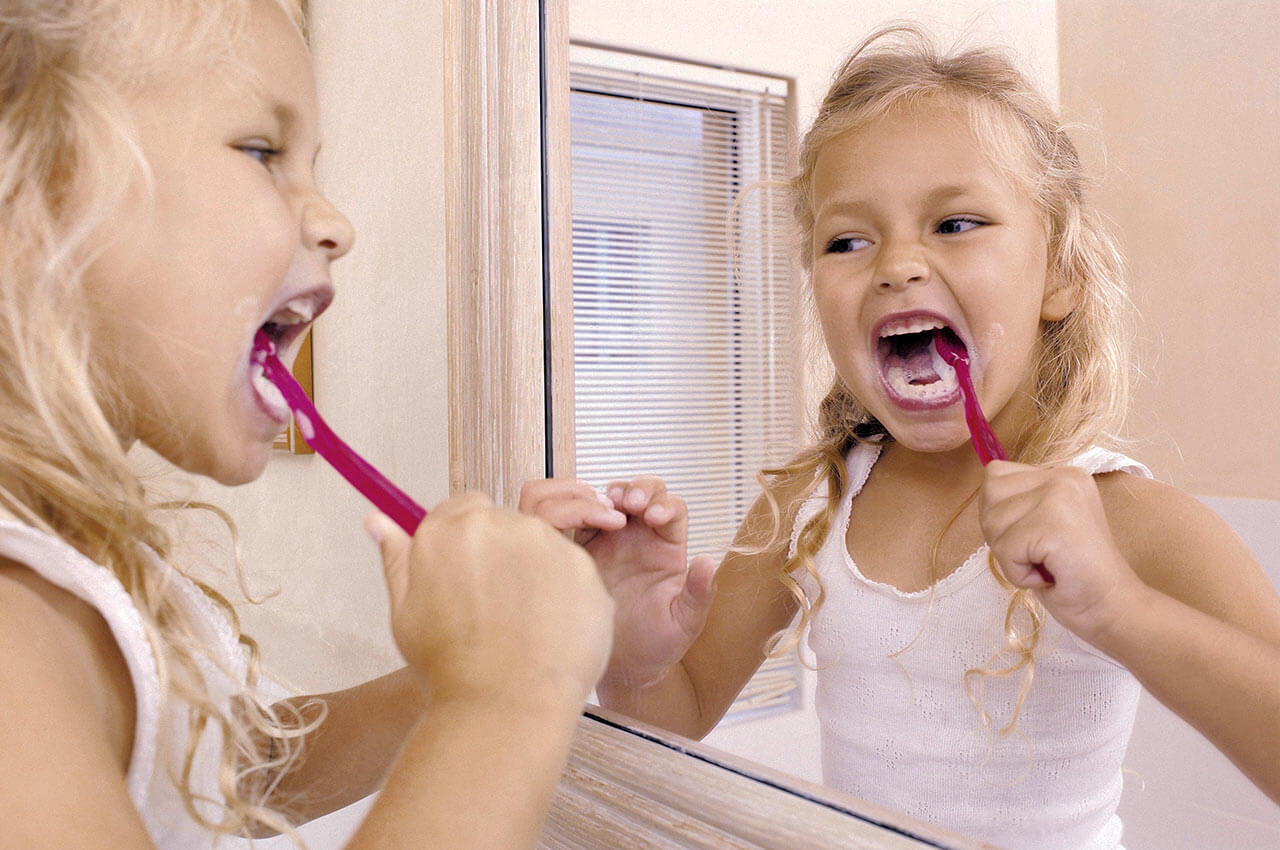
The proper oral care needed to get rid of bad breath and prevent it from coming back.
Have you ever been disappointed by an oral care product that claimed it would eliminate your bad breath, only to find that it merely masked the odor temporarily? Read this article to discover how to truly get rid of bad breath. It is not as easy as the market would have you believe, but it is possible with the right knowledge, tools, and actions.
- A Brief Overview of What Causes Bad Breath
- How to Get Rid of Bad Breath
- How To Prevent Bad Breath From Returning
A Brief Overview of What Causes Bad Breath
Bad breath is caused by an overgrowth of anaerobic bacteria producing foul-smelling gases due to one or more of the following:
- Poor oral hygiene
- Dry Mouth (xerostomia)
- Sinus infections, throat infections, post-nasal drip, and allergies
- Tonsilloliths (tonsil stones)
- Oral infections
- Gum disease
This article focuses on treating the main cause of bad breath: poor oral hygiene. 90% of halitosis cases are due to anaerobic bacteria in the mouth, and proper oral hygiene can usually fix it. If you suspect that yours is due to one of the other causes — such as dry mouth, sinus, throat, or oral infections, post-nasal drip, allergies, tonsil stones, or gum disease — seek help from a qualified professional or read our articles on those specific causes.
Read our article on What Causes Bad Breath for more information on the causes and symptoms of bad breath.
Get Professional Help
If you are serious about getting your bad breath under control and you haven’t been to the dentist in the past year, you need to visit one for a check-up and a cleaning. You may have oral problems you don’t know about that are causing bad breath. Tartar and plaque contribute to the growth of bacteria, so a thorough cleaning to remove as much of them as possible is a good idea.
How to Get Rid of Bad Breath
Since we know what causes bad breath — a friendly environment + food + time — we can figure out how to eliminate it. The equation is fairly simple:
Remedy for Bad Breath
- Get rid of proteins the bacteria eat
- Create an unfriendly environment for the bacteria
- Time
We will now go through each of these steps and explain what it means.
1. Get rid of proteins the bacteria eat
Contrary to what the oral care market would have you believe, which toothpaste or mouthwash you use is not that important. What matters most in getting rid of bad breath and preventing it is the consistent mechanical removal of the proteins and particles that anaerobic bacteria feed upon. Going directly after anaerobic bacteria with harsh chemicals such as the alcohol in mouthwashes and other antibacterial substances doesn’t work as well as one would think. Try it: gargle and swish Listerine after every meal without practicing any other oral care, and you will find that bad breath returns quickly, despite what advertising would have you believe. The consistent mechanical removal of the proteins depends largely on your technique and the tools you use — toothbrushes, floss, tongue scrapers, and so on — not the pastes or liquids you buy.
To remove the proteins (food particles, dead cells, mucus) the bacteria eat, you need to do more than just brush your teeth. A proper oral care regimen depends on the individual. For example, if you have braces, you need to follow specific procedures to clean your teeth properly. If you have partially erupted wisdom teeth, you need to irrigate them properly. If you suffer from post-nasal drip or allergies, you need to incorporate nasal irrigation into your daily oral care regimen. If you suffer from tonsil stones, you need to remove them regularly.
A Comprehensive Oral Care Regimen
A comprehensive oral care regimen for the average person consists of the following, in the order you should do them:
-
Flossing - Flossing is one of the most neglected yet crucial steps in getting rid of bad breath. It is also very important for your dental health. If you are serious about getting rid of your bad breath, you have to floss daily, preferably right before bed, so anaerobic bacteria don’t have the opportunity to feast on the food particles between your teeth all night.
-
Oil Pulling (Optional) - Oil pulling is a procedure in which you swish oil (coconut, sesame, sunflower, olive, or almond) in your mouth for 15 minutes. It is believed to pull bacteria, toxins, and parasites from your saliva and the tissues in your mouth. Few studies prove its effectiveness, but many people do it daily with great results.
-
Water Pik - The Waterpik is an excellent tool that uses a pressurized water jet to clean particles from between your teeth and from the gingival sulcus (the space between the gums and teeth). I like to both floss and use a Waterpik, because flossing does a better job of removing large particles while the Waterpik is excellent at flushing out smaller ones. If you are going to do only one, I suggest the Waterpik, because it is easier to use with good technique.
-
Nasal Irrigating (Optional) - Nasal irrigation is the process of flushing out the nasal cavity with a saline solution. If you regularly suffer from allergies, post-nasal drip, chronic sinus infections, or a runny nose, it is important to irrigate your nasal cavity daily. Nasal irrigation flushes the allergens, pollutants, bacteria, dust, and other unwanted particles out of the nasal cavity. If the cause of your bad breath is coming from your nose or sinuses (less than 8% of halitosis cases originate here), then nasal irrigation is an important part of treating it.
-
Brush Tongue - The tongue (especially the part at the back of your mouth) is a major region where anaerobic bacteria reside and cause bad breath. Before you brush your teeth, it is a good idea to brush your tongue gently with baking soda or an oxygenating toothpaste like TheraBreath, using a soft-bristled tongue brush or toothbrush. This loosens particles and bacteria from your tongue. Leave the paste on your tongue until you scrape it off after brushing. This gives the baking soda or paste time to kill bacteria and neutralize odorous compounds.
-
Brush Teeth - Brushing your teeth is very important, and most people who suffer from bad breath do it, yet they do not do it properly. You should brush at least twice a day, but ideally after each main meal and before bed. Brushing vigorously in back-and-forth motions is not the right way to brush, and it may even damage your gums. At BreathMD we love the Philips Sonicare. It is important to brush after each meal. Read our article on brushing your teeth to learn about the proper way to brush your teeth.
-
Scrape Tongue - After you brush your teeth, it’s time to scrape the particles and bacteria off your tongue. Scraping your tongue regularly is one of the easiest and most effective ways to get rid of and prevent bad breath.
-
Use Mouthwash - Mouthwash is effective at lowering the acidity of your mouth, killing bacteria, and temporarily neutralizing the odorous compounds in your mouth. Do not use mouthwashes that contain alcohol, as they dry out the mouth. Although it is somewhat effective, we believe most people are misled into thinking mouthwash gets rid of their bad breath when in reality it only masks it with pleasant odors for a few hours. Using mouthwash does not replace mechanical methods of removing proteins, such as flossing, scraping your tongue, and brushing your teeth properly. Read our article on using mouthwash to learn about the best mouthwashes and the best way to gargle and use them.
-
Take Oral Probiotics (Optional) - Research suggests that certain strains of bacteria are beneficial in reducing plaque formation and hindering the colonization of the anaerobic bacteria that cause bad breath. Read our article on oral probiotics to learn more.
2. Create a unfriendly environment for the bacteria
A mouth that is low in oxygen, slightly acidic, and dry is a prime place for anaerobic bacteria to colonize. To create a more inhospitable environment, you need to make sure your mouth isn’t dry, is slightly alkaline, and has oxygen.
Saliva contains oxygen, so it is important to have good saliva flow in your mouth. To increase saliva flow, drink plenty of fluids throughout the day. Also, when your mouth feels dry, chew a piece of sugar-free gum or suck on a mint. If you suffer from chronic xerostomia (dry mouth), you should look into products that contain saliva stimulants or substitutes. Check out this list of dry mouth products.
Besides increasing saliva flow, another way to add the oxygen that kills bacteria is to gargle mouthwashes that contain oxygenating chemicals such as hydrogen peroxide. Some toothpastes contain these chemicals too. Therabreath is a company that includes oxygenating compounds in its products.
To lower the acidity in your mouth, you can avoid acidic and spicy foods or use products that lower acidity. Baking soda is excellent at lowering acid levels. After your oral care regimen or after you eat, you can swish a sodium bicarbonate (baking soda) solution for a minute and then spit it out. Do not rinse your mouth out afterward.
Most people snack throughout the day. Although it is not absolutely necessary to brush your teeth after each snack, it is a good idea to snack on foods that minimize bad breath. Read our article on foods and drinks that prevent bad breath. It is also a good idea to be aware of and avoid foods and drinks that cause bad breath.
Probiotics can also create competition in your mouth, with friendly bacteria competing for the same space as the anaerobic bacteria. Read more about this in our oral probiotics article.
Although creating an unfriendly environment for the anaerobic bacteria is effective, removing their food source through proper oral care, as outlined above, is much more important. This step should be thought of as a bonus, because doing it alone will not get rid of bad breath. Creating an unfriendly environment is more of a preventive measure against bad breath than a tool for getting rid of it.
3. Time
There is no magic mouthwash, toothpaste, or gum that will get rid of your bad breath and prevent it from coming back. Getting rid of bad breath is not an instant process; it requires patient, consistent effort. Do not give up immediately after trying the full oral care regimen above just because you notice that your bad breath returns a couple of hours later. It takes weeks to reduce the population of anaerobic bacteria to a healthy, low level. If you are serious about treating your bad breath, or about preventing it from coming back, you need to put in the time and effort. The full oral care regimen above can take a while, but it is worth it in the end. We know you might lead a busy life and that it is hard to fit proper oral care in. We encourage you to read our article Oral Care on The Go to learn how to maintain fresh breath despite your busy schedule.
How To Prevent Bad Breath From Returning
Preventing bad breath from returning means continuing the same process you used to get rid of your halitosis in the first place: regular professional dental check-ups, consistent and proper oral hygiene, and avoiding foods and drinks that cause bad breath. If you do the entire oral care regimen listed above each night before bed, you will be on the right track to keeping bad breath from coming back.
Please read the other oral care articles we have on this website. We hope you find this information useful and that you apply it to your life.