
What causes bad breath and where it originates in your body
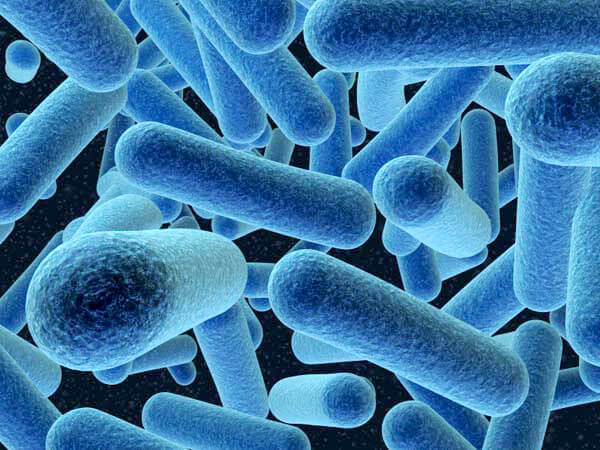
97% of bad breath is caused by foul-smelling gases emitted by anaerobic bacteria (bacteria that thrive in oxygen-deprived environments) as a by-product of digesting proteins. These proteins are found in food particles, dead cells, blood, and mucus. Most of the foul-smelling gases produced by bacteria are volatile sulfur compounds (VSCs); however, some of the gases that cause bad breath are not sulfur-derived, such as acetone, ammonia, dimethylamine, and trimethylamine. In this article we will refer to volatile sulfur compounds and the non-sulfuric compounds that cause bad breath collectively as volatile organic compounds (VOCs).
VOCs are the gases in breath that give it an unpleasant odor. There are several types of volatile organic compound, and each one has a distinct smell. That is why you may have noticed that bad breath from different people doesn’t always smell alike.
There are over 600 types of bacteria found in the average mouth, and some of these bacteria are beneficial and do not produce VOCs. A person who has chronic halitosis has an unhealthy imbalance in their oral flora, meaning that the bad-breath bacteria have taken over and are producing VOCs at a high rate.
What causes an unhealthy oral flora?
The factors that cause an unhealthy imbalance of oral flora with too many bad-breath anaerobic bacteria are simple. Give anaerobic bacteria a friendly environment (low oxygen, dry mouth, slightly acidic), a constant food source (poor oral hygiene), and time, and pretty soon you will have a mouth teeming with anaerobic bacteria that produce bad breath.
Friendly Environment + Food + Time = Unhealthy imbalance of oral flora
Here is a list of conditions that contribute to the growth of anaerobic bacteria by creating a favorable environment or food source for them:
-
Poor oral hygiene
Poor brushing, flossing, tongue scraping, and use of mouthwash — or skipping them altogether. Essentially, failing to mechanically remove food particles, dead cells, and other proteins from your mouth is poor oral hygiene. Over time, poor oral hygiene exacerbates bad breath through a build-up of tartar and plaque, and it can cause other medical conditions that help the bacteria population grow. -
Dry Mouth (xerostomia)
May be caused by diet, medications, medical conditions, and other factors. A dry mouth is good for bacteria because it contains less saliva, and saliva carries oxygen that kills anaerobic bacteria. A dry mouth is the main reason it is common to suffer temporary halitosis in the morning (morning breath), because saliva circulation and production are reduced while you sleep. Learn more about dry mouth and how to get rid of it by reading our article on Dry Mouth (Xerostomia). -
Sinus infections, throat infections, post-nasal drip, and allergies
These conditions usually cause an increased amount of mucus. Mucus contains large amounts of protein that anaerobic bacteria feast upon, which in turn leads to bad breath. For sinus and throat infections, seek the help of qualified professionals. For chronic conditions such as allergies and post-nasal drip, read our article on post-nasal drip to learn what causes excess mucus and how to prevent it. -
Tonsilloliths (tonsil stones)
Food particles and other matter can become lodged in the crypts of the tonsils, where they calcify and turn into tonsil stones. In a 2007 study, 75% of people who had tonsil stones also suffered from halitosis. To learn more about tonsil stones and how to remove them and prevent them from forming, check out our article on tonsil stones. -
Oral Infections
Oral infections such as tooth decay, cavities, wisdom tooth infections, and mouth lesions cause halitosis due to tissue breakdown, putrefaction of amino acids, and decreased saliva flow. -
Gum Diseases
Gum diseases such as gingivitis and periodontitis can cause bad breath. They do so because not only are dead cells (caused by the disease) metabolized by anaerobic bacteria, but living tissue and bone are also eaten away by the bacteria, producing large amounts of VOCs.
Where bad breath originates in your body
We have learned that bad breath is caused by odor-causing bacteria that break down proteins, but where do these bacteria originate?
-
The Mouth
85% to 90% of halitosis cases are caused by anaerobic bacteria in the mouth: the tongue, teeth, and gums. -
Upper Respiratory Tract
8% to 10% of halitosis cases are caused by anaerobic bacteria in the upper respiratory tract: the nose, sinuses, tonsils, throat, and larynx. There are common infections and medical conditions that can cause bad breath in these regions, such as tonsil stones, tonsillitis, rhinitis (runny nose), and post-nasal drip. In each of these conditions, it is the proliferation of volatile-organic-compound-producing bacteria in these areas that causes bad breath.
The vast majority of bad breath cases are caused by anaerobic bacteria in the mouth and upper respiratory tract; however, there are other areas and other ways in which it can arise.
-
Halitosis from the lungs (Stomatodysodia)
Bad breath sometimes originates in the lungs, due to diseases and medical conditions such as lung cancer, bronchitis, pulmonary abscess, tuberculosis, emphysema, pneumonia, and other bronchial or pulmonary infections. Dieting or fasting can cause the body to burn fat, which produces ketones (such as acetone) in the bloodstream. These ketones are then excreted through the lungs. -
Halitosis from the stomach
Although rare, bad breath may in some cases originate in the stomach. Medical conditions such as acid reflux disease (GERD), gastritis, irritable bowel syndrome (IBS), or any other condition that causes chronic vomiting or chronic indigestion may cause bad breath, due to the acids and partially digested food particles that end up coating the esophagus, throat, and oral cavity.
Bad Breath Caused By Foods
There are certain foods to avoid because they cause bad breath. Some foods are more prone than others to make a foul smell develop on a person’s breath quickly. It is common knowledge that foods like garlic and onions cause bad breath, but there are others that either lead to rapid growth in anaerobic bacteria or naturally give off odors similar to the VOCs that anaerobic bacteria produce.
To learn more about this read our article on Foods that Cause Bad Breath and How To Get Rid of Garlic Breath.
How To Get Rid of Bad Breath
We learned that bad breath is caused by an overgrowth of bad-breath-producing anaerobic bacteria. To get rid of bad breath, you have to remove the factors that lead to that overgrowth in the first place. Those factors are listed above, the leading one being poor oral hygiene. Through proper oral hygiene, you can remove the bacteria’s food source and make your mouth less hospitable to them. Consistent, proper oral hygiene will reduce the population of anaerobic bacteria until it reaches healthy, low levels where bad breath is not a problem or even detectable. The most important part of proper oral hygiene is the mechanical removal of the proteins and other particles that the bacteria feed upon.
Read our informative article on How To Get Rid Of Bad Breath to learn more about how to treat bad breath.