
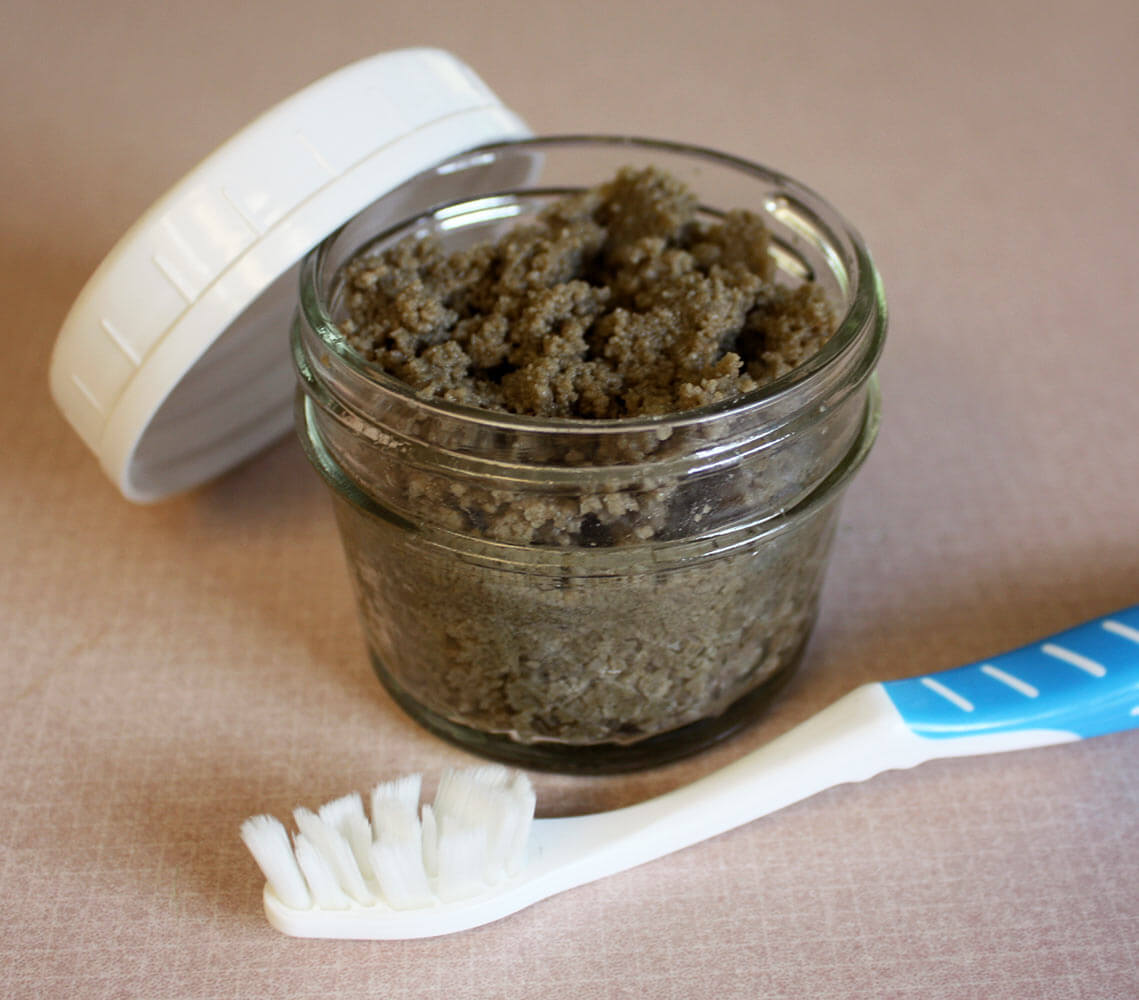
Benefits of homemade toothpaste and recipes on how to make it
Have you ever looked at the ingredients in your toothpaste? Most toothpaste you find at the grocery store contains carcinogenic chemicals such as sodium lauryl sulfate, triclosan, and diethanolamine, along with other harmful ingredients like artificial colors and flavors. If you want to take a more natural approach to dental care, you’re in luck! Making your own toothpaste is easier than you think, and you probably already have most of the ingredients in your kitchen.
- Benefits of making your own toothpaste
- Ingredients Used in Homemade Toothpaste
- Homemade Toothpaste Recipes
Benefits of making your own toothpaste
-
Control over the ingredients used - Homemade toothpaste recipes use ingredients that are safe to swallow, unlike most commercial toothpastes, which contain harmful chemicals and carry a warning on the label if swallowed. Making your own toothpaste also lets you control its flavor and sweetness.
-
Control fluoride intake - While topical use of fluoride has benefits for oral health, people who live in areas with water fluoridation may decide it’s best to limit their exposure and use toothpaste without it. Too much fluoride can be harmful to your health. You can easily make your own fluoride-free toothpaste. Read more about fluoride in our Fluoride and Your Health article.
-
It saves you money - As we’ve mentioned, you probably already have ingredients like baking soda and coconut oil in your kitchen. Additional ingredients such as bentonite clay and essential oils go a long way in toothpaste recipes.
-
It saves on waste - By making your own toothpaste, you eliminate excess packaging and landfill waste.
Ingredients Used in Homemade Toothpaste

Bentonite Clay - Used as a gentle abrasive; it contains essential minerals and helps rid the body of toxins. Do not store it near metal, and use only glass bowls and wood spoons when preparing toothpaste recipes that call for bentonite clay.
There are various bentonite clay products out there. Redmond RealSalt Clay is one of the best; it has no additives and is safe for consumption.
Stevia - Used as a sweetener, research has shown that stevia inhibits the growth and reproduction of harmful bacteria that cause gum disease and tooth decay.
Xylitol - This sugar alcohol is used as a sweetener and naturally occurring sugar substitute, and it aids in preventing tooth decay and re-mineralizing enamel. Bacteria are unable to feed on xylitol, so it does not cause dental cavities or bad breath. Xylitol can be toxic to pets, so store it out of reach.
Coconut Oil (unrefined) - Gives toothpaste a nice consistency and is antibacterial and antifungal, reducing bacteria in your mouth.
Baking Soda (aluminum free) - Used as a gentle abrasive. It neutralizes acids in your mouth from bacteria that cause bad breath and tooth decay. Also aids in whitening teeth.
Sea Salt (finely ground) - Used as a gentle abrasive and also neutralizes acids in your mouth from bacteria that cause bad breath and tooth decay.
Dr. Bonner’s Liquid Castile Soap - Cleans teeth and removes plaque.
Filtered Water - Check out our article on fluoridated water.
Essential Oils - Besides adding a nice flavor to your toothpaste, essential oils have antibacterial properties that keep your breath smelling fresh and help prevent dental disease by keeping your mouth clean.
Essential Oil Properties
Here are properties of various essential oils you can use.
-
Peppermint: antibacterial and antiviral
-
Lavender: antibacterial
-
Tea Tree: antibacterial, antiviral, and antifungal
-
Cinnamon: antibacterial
-
Lemon: antibacterial
-
Clove: antibacterial, and used for dental pain
Pleasant Essential Oil Combinations
Here are combinations of various essential oils that work well together.
-
Cinnamon bark + Peppermint
-
Lemon + Peppermint/Spearmint
-
Clove + Sweet Orange
-
Grapefruit + Lemon + Peppermint
-
Ginger + Peppermint
-
Tea Tree Oil + Fennel
Please note that not all essential oils are meant to be ingested, and they should be used with caution, especially if you are making toothpaste for young children. Some essential oils, such as peppermint, should not be used on children younger than six years old. Use only therapeutic-grade, pure essential oils. Please contact the supplier and/or your doctor for more information on safety, especially if you are pregnant, nursing, or have a serious medical condition. Some people may experience allergic reactions to essential oils. Keep them out of reach of children, and avoid contact with the eyes.
Extracts such as peppermint, almond, or orange extract are a suitable substitute for essential oils in toothpaste recipes. They have a lower potency than essential oils, so substitute 2 teaspoons of extract for every 20 drops of essential oil, or use to taste. Scale back the amount of water in each recipe to compensate for the extra liquid when using extract.
List of essential oils that the FDA classifies as “Generally Recognized As Safe”: http://www.accessdata.fda.gov/scripts/cdrh/cfdocs/cfcfr/CFRSearch.cfm?fr=182.20
Homemade Toothpaste Recipes
Basic toothpaste recipe method: Mix all the ingredients together until well blended and a paste forms. When adding the essential oil and the xylitol or stevia, it is best to add a little at a time, tasting as you go, so you can achieve the exact sweetness and flavor you desire.
Bentonite Clay/Sea Salt Toothpaste
-
4 tbsp bentonite clay
-
3 tsp xylitol or 1 tsp stevia (or to taste)
-
¼ tsp sea salt, finely ground
-
2-3 tbsp filtered water (adjust to desired consistency)
-
20 drops of essential oils
Coconut Oil/Sea Salt/Baking Soda Toothpaste
-
½ cup baking soda
-
1 tsp sea salt, finely ground
-
3 tsp xylitol or 1 tsp stevia (or to taste)
-
½ cup coconut oil, softened
-
10 drops of essential oils or to taste
Baking soda/Bentonite Clay/Coconut Oil Toothpaste
-
½ cup baking soda
-
1 tbsp bentonite clay
-
3 tsp xylitol or 1 tsp stevia (or to taste)
-
½ cup coconut oil, softened
-
20 drops essential oils or to taste
Castile Soap/Coconut Oil Toothpaste
[best for sensitive teeth]
-
1 tbsp Dr. Bonner’s peppermint liquid castile soap
-
½ cup coconut oil, softened
-
3 tsp xylitol or 1 tsp stevia (or to taste)
-
[If you decide to use unscented Dr. Bonner’s soap you can add any flavor of essential oil, around 20 drops will be needed, adjust according to your desired taste.]
Bentonite Clay/Sea Salt/Coconut Oil Toothpaste
-
4 tbsp bentonite clay
-
¼ tsp sea salt, finely ground
-
3 tsp xylitol or 1 tsp stevia (or to taste)
-
1 tbsp filtered water (adjust to desired consistency)
-
2 tbsp coconut oil
-
20 drops of essential oils
All these recipes create fluoride-free toothpaste unless you use tap water that contains fluoride.
Post below if you like a particular homemade toothpaste recipe, or if you have a recipe of your own you would like to share. If you like these homemade toothpastes, you should also try our homemade mouthwash recipes. Thanks!