
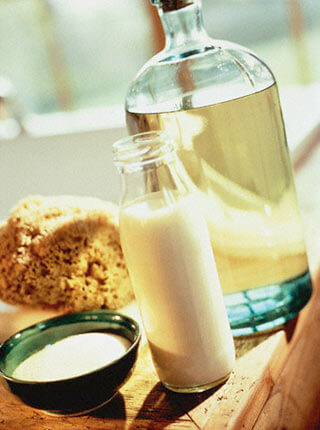
Benefits of homemade mouthwash and recipes on how to make it
Are you sick and tired of the small selection of mouthwashes at your grocery store? Or are you fed up with harsh, alcohol-based mouthwashes that leave your mouth feeling irritated and dry? If so, this article is for you. We will discuss the benefits of making your own homemade mouthwash, common mouthwash ingredients, basic preparation methods, and recipes you can try.
- The benefits of homemade mouthwash
- Common homemade mouthwash ingredients
- Basic mouthwash creation procedures
- Homemade mouthwash recipes
The benefits of homemade mouthwash
There are several benefits to creating your own mouthwash. Here is a list:
-
Inexpensive - Homemade mouthwash costs a fraction of what store-bought mouthwashes do, with the same or better performance.
-
No harmful chemicals - Manufacturers often include dyes, preservatives, artificial sweeteners, and other chemicals that are harmful to you or the environment. When you make your own mouthwash, you know exactly what is in it and can tailor it to your needs.
-
Alcohol-free - It is hard to find quality mouthwash that does not contain alcohol, which dries out the mouth and causes bad breath. If you make your own, you can choose not to include alcohol.
-
You control the quality of ingredients - When you make your own mouthwash, you can choose to use only the finest ingredients. To maximize profits, some manufacturers cut costs by using ingredients of questionable quality.
Common homemade mouthwash ingredients
Herbs/plants
Aloe Vera Gel - Aloe vera extracts have antibacterial and antifungal activity.
Anise - A flowering plant with a flavor resembling licorice, fennel, and tarragon. Anise contains anethole, which has potent antimicrobial properties against bacteria, yeast, and fungi.
Basil - An herb with a strong, pungent, often sweet smell. Scientific studies have shown that basil oil has potent antioxidant, anticancer, antiviral, and antimicrobial properties.
Bergamot essential oil - Bergamot is a fruit the size of an orange, with a yellow color similar to a lemon and a pleasant fragrance. It can help calm inflamed skin and also has antiseptic properties that help ward off infection and aid recovery.
Cardamom - Cardamom has a strong, unique taste, with an intensely aromatic, resinous fragrance. It is used to treat infections in teeth and gums, to prevent and treat throat troubles, and is a decongestant.
Cinnamon - A spice obtained from the bark of cinnamon trees. It inhibits bacterial growth and food spoilage, making it a natural food preservative, and is high in antioxidants. The essential oil of cinnamon also has antimicrobial properties.
Clove - Clove oil, applied to a cavity in a decayed tooth, relieves toothache. It also helps decrease infection in the teeth due to its antiseptic properties. The buds have antioxidant properties.
Coriander - The seeds have a lemony citrus flavor when crushed, described as nutty, warm, spicy, and orange-flavored. A study found both the leaves and seeds to contain antioxidants, but the leaves were found to have a stronger effect.
Eucalyptus - Eucalyptus oil is used for cleaning and deodorizing, and is found commonly in cough drops, toothpaste, and decongestants. It has antibacterial effects on pathogenic bacteria.
Fennel - A highly aromatic and flavorful herb with culinary and medicinal uses. It contains anethole, which has potent antimicrobial properties against bacteria, yeast, and fungi.
Ginger - Has antibacterial properties and a sialagogue action that stimulates the production of saliva.
Goldenseal - Anti-inflammatory and antimicrobial; it may relieve canker sores when gargled.
Lemon essential oil - The acidity of lemons enables the juice to be used to deodorize, remove grease, bleach stains, and disinfect.
Mandarin essential oil - In traditional Chinese medicine, the dried peel of the fruit is used to regulate ch’i, treat abdominal distension, enhance digestion, and reduce phlegm.
Marjoram - Similar to oregano, with a sweet pine and citrusy flavor.
Myrrh - Used as an antiseptic in mouthwashes, gargles, and toothpastes for the prevention and treatment of gum disease. The essential oil of myrrh has powerful preservative properties.
Oregano - Similar to marjoram. The leaves and flowering stems are strongly antiseptic and expectorant. Oregano is high in antioxidants and has antimicrobial properties.
Peppermint - Peppermint has a high menthol content and is often used as a tea and for flavoring ice cream, confectionery, chewing gum, and toothpaste.
Rosemary - Contains a number of potentially biologically active compounds, including antioxidants, such as carnosic acid and rosmarinic acid.
Sage - Has a slight peppery flavor and is used as an antibiotic, antifungal, and astringent.
Spearmint - Has a minty flavor. The essential oil of spearmint has some antifungal activity, although less than oregano. Spearmint has also been described as having excellent antioxidant activity.
Tea tree oil - Tea tree oil has beneficial medical properties when applied topically, including antiseptic, antibacterial, antifungal, and antiviral action, and is also believed to have beneficial cosmetic properties.
Thyme - The essential oil of common thyme (Thymus vulgaris) is made up of 20-54% thymol. Thymol is an antiseptic and is the main active ingredient in Listerine mouthwash. It was used to medicate bandages before the advent of modern antibiotics. It is also the active ingredient in some all-natural, alcohol-free hand sanitizers.
Turmeric - Is antimicrobial, anti-inflammatory, and an antiseptic agent.
Sweeteners
Raw honey - Although honey contains sugar, some people want a more natural sweetener. Honey contains more complex carbohydrates than regular table sugar, so they break down more slowly and are less likely to cause problems in your mouth.
Stevia - About 30 times as sweet as sugar. Research has shown that stevia inhibits the growth and reproduction of harmful bacteria that cause gum disease and tooth decay.
Xylitol - A sugar alcohol sweetener used as a naturally occurring sugar substitute. Bacteria are unable to feed on xylitol, so it does not cause dental cavities or bad breath.
Other
Apple cider vinegar - Gargling apple cider vinegar is a common remedy for sore throats due to its antibacterial properties. It assists in dissolving calcified deposits in the mouth and is sometimes added to mouthwash.
Baking soda - Sodium bicarbonate, which works as a mechanical cleanser on the teeth and gums, neutralizes the production of acid in the mouth, and acts as an antiseptic to help prevent infections. A paste made from sodium bicarbonate and a 3% hydrogen peroxide solution can be used as an alternative to commercial toothpastes.
Calcium carbonate - Used as an abrasive. It is also used instead of fluoride to help remineralize the enamel of teeth.
Glycerin (Glycerol) - A sweet-tasting humectant (keeps foodstuffs moist), thickening agent, solvent, sweetener, and preservative, and 60% as sweet as sucrose. Although it has about the same food energy as table sugar, it does not raise blood sugar levels, nor does it feed the bacteria that form plaque and cause dental cavities.
Gum arabic - Gum arabic reduces the surface tension of liquids and is also an emulsifier (it encourages the suspension of one liquid in another and improves consistency, helping your mouthwash stay mixed). Lowering the surface tension allows the mouthwash to enter small places more easily, such as between your teeth.
Hydrogen peroxide - A disinfectant, antiseptic, oxidizer, and bleach (whitener). Mixed with baking soda and a small amount of hand soap, hydrogen peroxide is effective at removing skunk odor. It can be used as a toothpaste when mixed with the correct quantities of baking soda and salt. It should be stored in an opaque container because it breaks down quickly when exposed to light. Food-grade hydrogen peroxide doesn’t contain heavy metals as stabilizers — just hydrogen peroxide and water, with no junk or stabilizers.
The FDA has approved using up to a 3% hydrogen peroxide solution as mouthwash. Using a higher concentration than that might irritate your mouth and may do more harm than good. Food grade hydrogen peroxide is usually sold highly concentrated around 35%. Therefore it is crucial you dilute it down to 3% before using it as mouthwash.
Salt - Sodium chloride, which acts as a preservative by absorbing water. It is used in soaps, detergents, and cooking. Salt works as a preservative because it draws water out of bacteria, thereby killing them or at least inhibiting their growth.
Vodka - Used in some recipes for its alcohol content. We do not recommend using it because of the alcohol, but you may experiment with it.
Water - Water is an essential ingredient in mouthwashes. You may experiment using boiled, mineral, soda (carbonated), or distilled water.
Basic mouthwash creation procedures
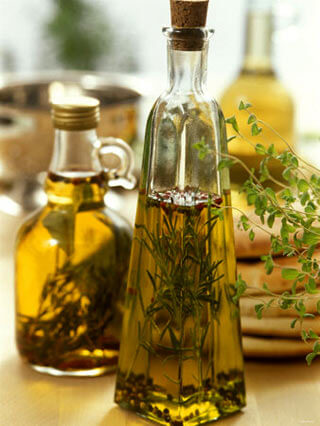
When making homemade mouthwash, there are a few basic ways to create it. Using these procedures, you can try different ingredients to create a variety of mouthwashes. Experiment with some of the herbs and ingredients listed above to create the best mouthwash for you.
-
Boil it - Bring water to a boil, add the herbs, infuse for 20 minutes, then strain, cool, and bottle.
-
Steep it - Place the herbs in a bottle, pour boiling water over them, steep overnight, then strain. Some people have gotten good results by steeping the ingredients for an entire week, shaking them well once a day, and then straining.
-
Mix it - Place the ingredients in a bottle and shake well. This works well when using essential oil extracts of herbs.
Generally, you need heat to bring out the properties of raw or dried herbs, so it is best to boil or steep your solution if using them. If you are using essential oil extracts or non-herbal ingredients that do not require heat (such as salt, glycerin, or baking soda), then you only need to mix the ingredients.
NOTE: When using homemade mouthwash, it is important to shake it well every time before use to mix the ingredients, as they may have settled or the essential oils may have collected at the top.
TIP: All these recipes use water. Do not use TAP WATER. Tap water contains chlorine, mercury, fluoride, nitrates, and may even contain some carcinogens such as chromium-6. Use filtered, bottled, distilled, or mineral water instead of tap water.
Homemade mouthwash recipes
Here are several recipes you can use to make your own mouthwash. Post below if you like a particular one or if you have a recipe of your own to share.
Rosemary Mint Mouthwash
- 2 1/2 cups of water
- 1 tsp each of fresh rosemary leaves, mint leaves, and anise seeds
- Boil/Steep
Tea Tree Oil Mouthwash
- 1 cup of water
- 2 tsp of baking soda
- 1/2 tsp of myrrh tincture
- 4 drops of tea tree oil
- 4 drops of an essential oil of your choice (cinnamon, peppermint, lemon)
- 1 tsp of vodka (optional)
- 1/8 tsp of stevia
- Mix ingredients
Lemon Mouthwash
- 3/4 cup water
- 1/4 cup vodka (optional)
- 1 tsp of aloe vera gel
- 6 drops lemon essential oil
- 10 drops bergamot essential oil
- Mix ingredients
Mint Mouthwash
- 3/4 cups of water
- 1/4 cup of vodka (optional)
- 4 tsp of liquid glycerin
- 1 tsp of aloe vera gel
- 10-15 drops of spearmint/peppermint oil
- Mix ingredients
Baking Soda Mouthwash
- 1 cup of water
- 1 tsp of baking soda
- 4 drops of pure peppermint oil
- 4 drops of tea tree oil
- Mix ingredients
Clove Mouthwash
- 2 cups of water
- 2 tsp of dried rosemary or 4 rosemary sprigs
- 4 cloves
- Boil/Steep
Mint and Honey Mouthwash
- 1 cup water
- 1 tsp raw honey
- 1 tsp fresh lemon juice
- 2 drops peppermint essential oil
- 2 drops spearmint essential oil
- 1 drop anise seed oil
- Mix ingredients
Super Mouthwash
- 1/4 tsp of mild neutral soap powder
- 1 tsp of gum arabic (the emulsifier)
- 1 tsp of glycerin
- 2 tablespoons of calcium carbonate (abrasive) (aka chalk of paris white)
- 4 drops of peppermint oil
- 3/4 cup of mineral water
- Mix ingredients
If you like these homemade mouthwash recipes, you should check out our article on How to Make Toothpaste.